
Hey there, fellow survivor! Welcome to the unforgiving, frostbitten world of Whiteout Survival. I’ve been navigating this icy wasteland for a while now, and let me tell you, it’s a game of wits, strategy, and pure grit. The year is 2026, and the game has only gotten deeper with more content and challenges. I remember when I first started, I felt completely overwhelmed by the blizzards and the constant struggle to keep my little settlement alive. But through trial, error, and learning from some hard knocks, I’ve managed to build a community that not only survives but thrives. I want to share with you the core strategies that turned my experience around. These aren’t just random tips; they are the fundamental pillars of success in this game, straight from the trenches. Let’s dive in and make sure your city becomes a beacon of hope in the snow.
Master the Rhythm of the Blizzard
This is non-negotiable. The periodic snowstorms are the game’s way of testing your mettle. I learned this the hard way when my first major storm wiped out half my buildings because I was unprepared. You must treat the storm countdown timer as your most important clock. Your furnace isn’t just another building; it’s the literal heart of your settlement. Upgrading it does two critical things: it expands the warmth radius to protect more buildings, and it unlocks new slots for essential structures. You cannot expand effectively without a strong furnace. Before a storm hits, your furnace level should be your top priority.
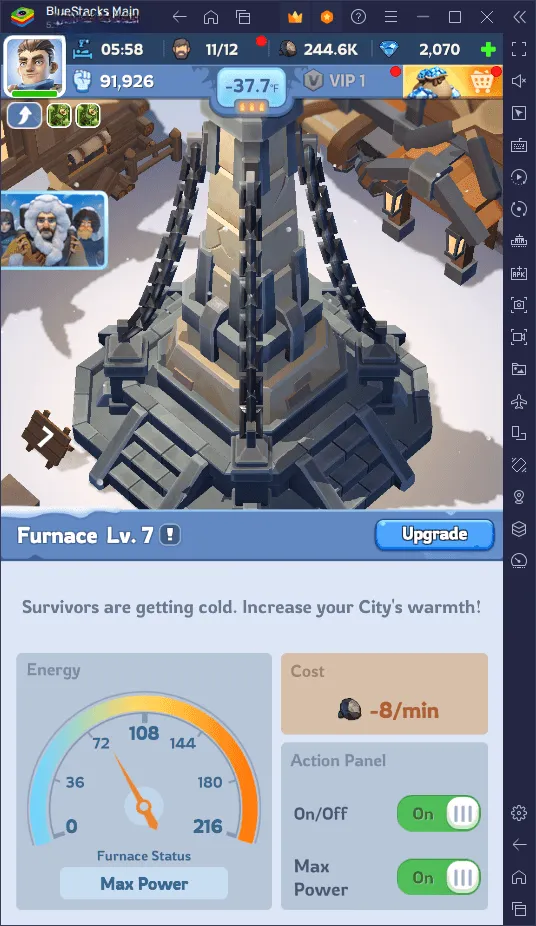
Equally vital is stockpiling the specific resources the storm demands—usually wood, meat, and coal. I set up a simple system: I check the required amounts as soon as the storm warning appears and immediately divert all my production to meet those targets. The penalty for failure is severe: damaged buildings and lost survivors, which can set you back days. But the reward for success is sweet: valuable resource packs and temporary boosts that give your city’s growth a real shot in the arm. Prioritizing storm prep isn’t just about survival; it’s about turning a threat into your biggest opportunity for advancement.
Your Survivors Are Your Greatest Asset
In the early days, I focused so much on buildings and resources that I neglected my people. Big mistake. Unhappy, unhealthy survivors work slowly, gather fewer resources, and can even fall ill. Managing their five basic needs is the true backbone of a prosperous city. Think of it as a balancing act:
-
🔥 Warmth: This is directly linked to your furnace’s efficiency, especially at night. I always ensure my furnace is fueled and upgraded enough to handle the temperature drops. A cold survivor is an unproductive one.
-
🍖 Fullness: Don’t just build a Hunter’s Hut and Cookhouse and forget them. Upgrade them! The Cookhouse menu lets you select better meals that provide more sustenance. A well-fed survivor has more stamina.
-
😴 Sleep Quality: This isn’t just about having beds. It’s about the quality of the shelter. Upgrading shelters and adding amenities like better beds, desks, and even rugs makes a huge difference. A well-rested team is an efficient team.
-
🛁 Comfort & Mood: This is where you add the homely touches. Items like washbasins, bookshelves, and entertainment options slowly but surely improve morale. I make it a habit to check my survivors’ status screen and see which need is lowest, then address it immediately.
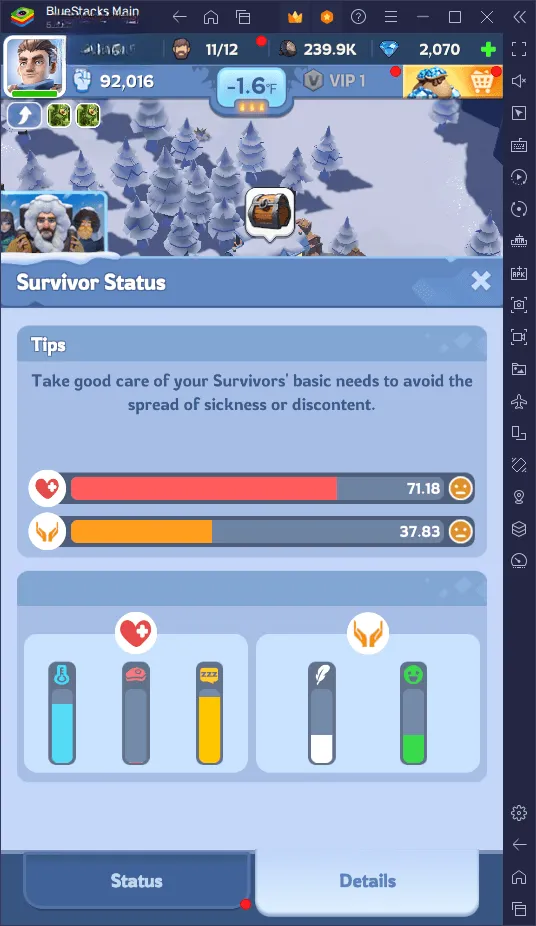
By keeping this ecosystem balanced, your survivors’ health and happiness meters stay high, which directly translates to faster building, quicker resource gathering, and smoother overall progress. They’re not just numbers on a screen; they’re your community.
Play Smarter, Not Harder: The BlueStacks Advantage
I switched from playing on my phone to playing on BlueStacks, and it was a complete game-changer. The difference in experience is like night and day. First, the performance is stellar—crisp graphics and buttery-smooth gameplay with zero lag, even during massive snowstorms or large battles. You can truly appreciate the game’s visual details.
But the real magic is in the tools. The keymapping feature let me set up shortcuts for everything. Need to quickly check multiple buildings? I have a key for that. Want to cycle through hero squads? Mapped. It makes management incredibly efficient. The crown jewel, though, is Multi-Instance Sync. This allowed me to run a second account simultaneously. I use it as a dedicated resource farm to support my main city, which accelerated my growth exponentially. It’s also perfect for rerolling new hero draws without affecting your main progress. Leveraging BlueStacks doesn’t just make the game more enjoyable; it gives you a tangible strategic edge in managing the harsh winter.
Mission Control: Your Roadmap to Progress
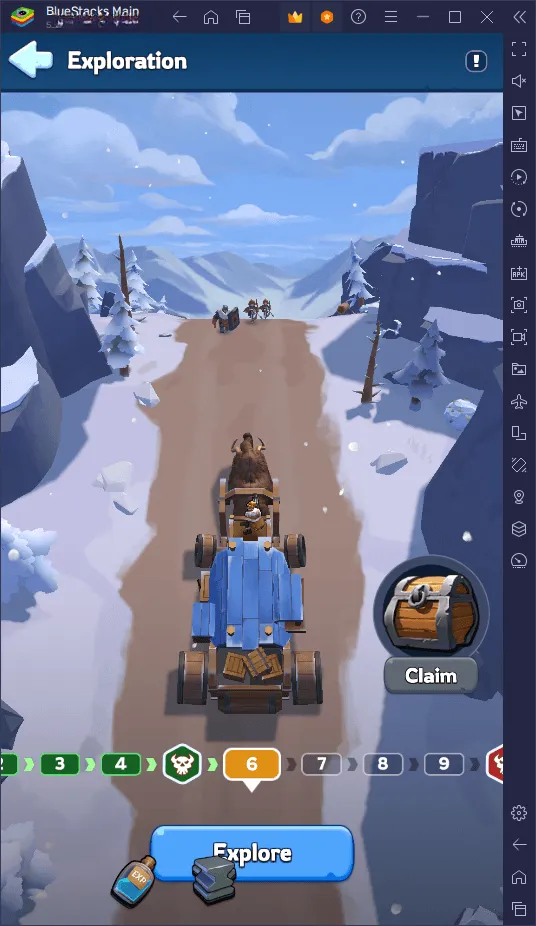
It’s easy to get distracted by all the things you could do. Missions provide the structure you need. I treat them as my daily to-do list and primary source of advancement. Here’s how I prioritize them:
| Mission Type | Focus | Key Rewards | My Strategy |
|---|---|---|---|
| Chapter Missions | Main Campaign | Large lump sums of resources, gems, speed-ups. | I complete these sequentially. They are the backbone of my progression plan. |
| Growth Missions | Hero & Unit Development | Hero XP, specific upgrade items, resources. | I check these daily and align my hero upgrades with the mission requirements to double-dip on rewards. |
| Daily Missions | Consistent Activity | Wood, Meat, Coal, Iron, Activeness Points. | I complete all of these every single day. The Activeness Points unlock chests with fantastic loot, sometimes even items for unlocking top-tier characters. |
Making a habit of clearing your mission list ensures a constant, reliable influx of every resource you need. It prevents resource bottlenecks and gives you clear short-term goals that feed into your long-term strategy.
Unleash the Power of Idle Exploration
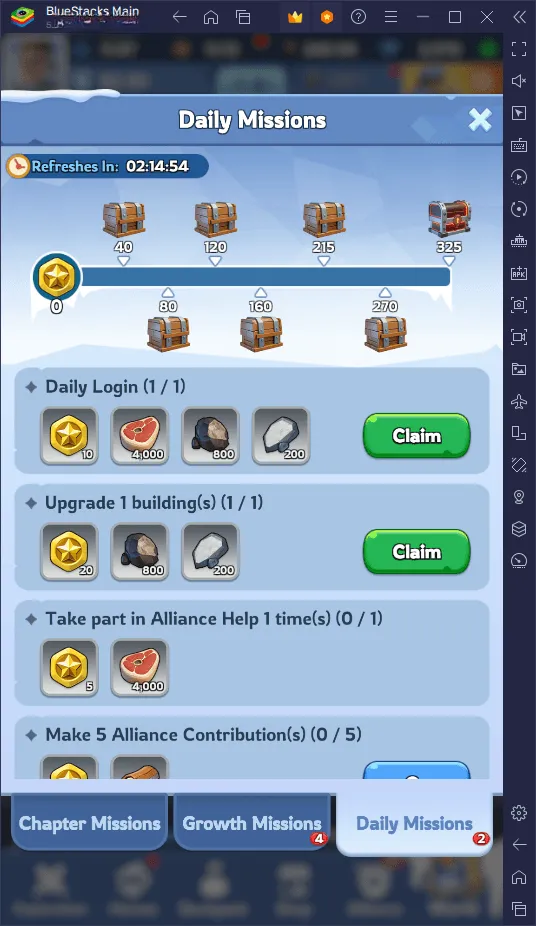
This feature is a lifesaver for when you need to step away but don’t want progress to halt. Exploration lets you send hero squads to battle PvE enemies on auto-pilot. The key is to send your strongest, most upgraded heroes. Their power directly influences the quality and quantity of rewards you bring back. I always make sure my exploration teams are at full strength before I log off.
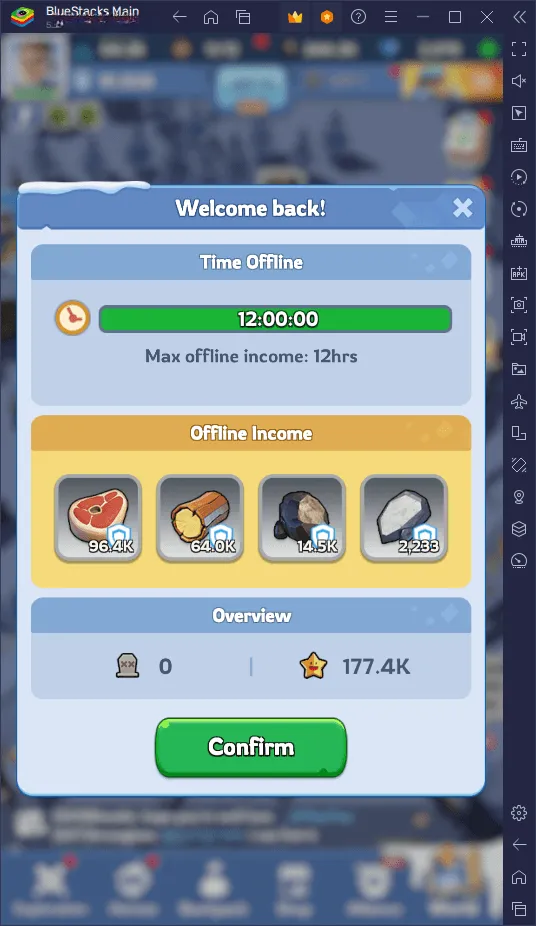
The rewards—mainly Iron and Hero XP—are absolutely essential. But here’s the pro tip: You must collect them manually! The idle income accumulates for up to 7 hours. I set a mental reminder (or even an actual alarm) to log in and collect this bounty regularly. Letting it sit at the cap for too long is wasted potential. This system provides a crucial passive resource stream that fuels your upgrades without requiring constant active play. It’s free progress, just waiting for you to claim it.
So, there you have it—the five core strategies that transformed my struggle into a thriving winter empire. To recap: Respect the Storm, Nurture Your People, Leverage BlueStacks, Follow the Missions, and Harness Idle Exploration. Whiteout Survival in 2026 is a deeply rewarding experience for those who plan carefully. It’s not just about building walls; it’s about building a community that can withstand anything. Now, get out there, fortify your furnace, and show that frozen wasteland who’s boss. I’ll see you on the ice! ❄️🔥